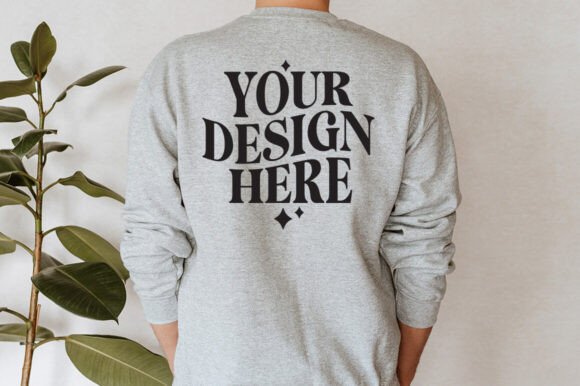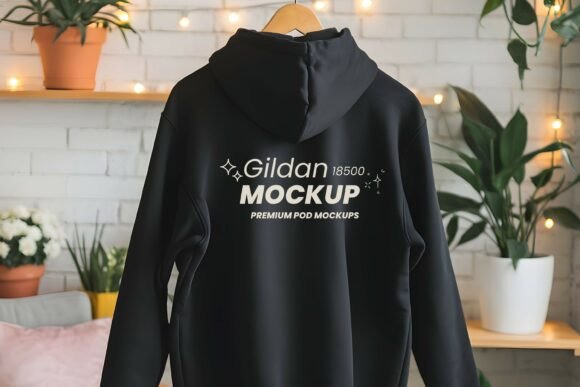
Gildan 18500 Hoodie Mockup Back
First Impressions: Clean, Confident, and Commercially Ready
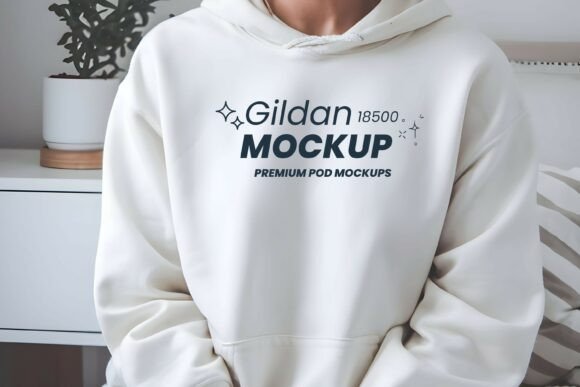
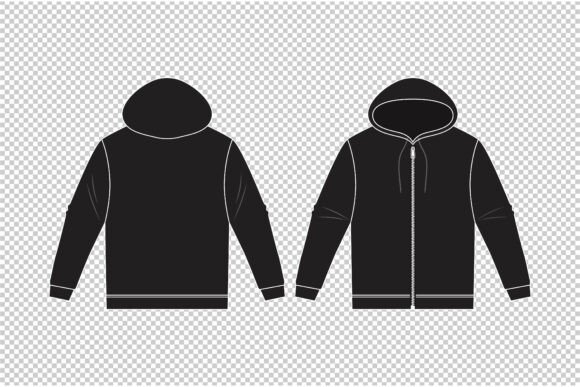
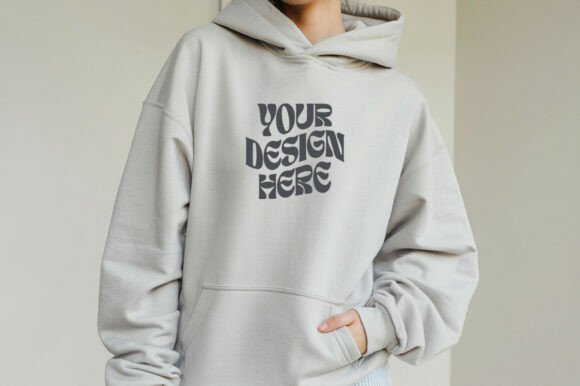
As a designer who’s stitched hundreds of custom hoodies for Etsy shops, boutique brands, and local craft fairs, the Gildan 18500 Hoodie Mockup Back landed on my screen with quiet authority—not flash, not noise, just solid visual grounding. It’s not a “cute” or “trendy” mockup; it’s a professional-grade backdrop built for clarity. The angle is slightly elevated, showing the full back panel without distortion—no awkward shoulder tilt or stretched fabric warping. That matters when you’re presenting an embroidery file to a client or uploading to your Etsy shop: buyers need to instantly grasp scale, balance, and placement.
Real-World Fit: Where This Mockup Earns Its Keep
Last week, I used the Gildan 18500 Hoodie Mockup Back to prep a holiday collection for a small-batch maker launching personalized embroidered sweatshirts. She wanted minimalist tree silhouettes with subtle satin-stitch branches—nothing too dense, nothing too fragile. Dropping her embroidery file into this mockup revealed exactly what would work (and what wouldn’t) before she even threaded a needle: the clean drape of the hoodie back gave honest feedback on how stitch density would read at 12 inches wide, how negative space would breathe around the design, and whether fine running-stitch details would hold up visually on real fabric.
This mockup shines for custom apparel, embroidered patch previews, and small shop product listings—especially when your audience cares about craftsmanship, not just clipart. It works just as well for baby embroidery (think soft monograms on organic cotton hoodies) or boutique branding (a subtle logo centered low on the back). Because it’s built for POD and apparel branding display, it respects real garment proportions—not exaggerated, not cartoonish. That realism builds trust fast.
Where Caution Applies: Texture, Scale, and Fabric Realities
Don’t assume this mockup solves every embroidery challenge. It’s a visual tool—not a substitute for physical testing. If you’re planning to stitch on thin fabric, stretchy fabric, or dark fabric, remember: the mockup won’t show thread bleed, stabilizer shadow, or how fill stitch might sink into fleece. Likewise, for curved surfaces like caps or tiny lettering, this hoodie back view won’t translate directly—you’ll still need cap-specific mockups or test hoops.
I’ve seen makers overestimate detail retention using this mockup alone. A delicate floral motif that looks crisp in the digital preview can vanish in dense satin stitch on heavy sweatshirt fleece. And if your machine embroidery design relies on ultra-fine decorative accents or layered applique, zoom in closely: does the mockup’s resolution preserve those corners? Does the lighting flatten depth you’d actually get from stitch layering? These are judgment calls only real fabric and thread can answer.
Practical Designer Notes You’ll Actually Use
- Always test your embroidery file on scrap fabric first—especially if stitching on textured fabrics or using high-stitch-density areas.
- Check thread color contrast against both light and dark fabric backgrounds—what reads clearly on the mockup may disappear on navy fleece.
- Review stitch density: if your digital embroidery file pushes above 12,000 stitches in a compact area, consider simplifying before finalizing for commercial embroidery.
- Confirm hoop size compatibility early—some complex designs demand larger hoops than standard sweatshirt placements allow.
- Inspect small details at 100% zoom: tiny leaves, script lettering, or narrow stems may need manual cleanup before digitizing.
- Test the design in black-and-white mockups—this reveals value contrast issues that color sometimes hides.
- Use proper stabilizer for your fabric type; the Gildan 18500 Hoodie Mockup Back shows ideal presentation, not stabilization limits.
- Verify licensing before selling finished products or bundling the mockup with your own design assets—it’s listed as a graphics product by Pixel By Aaqib, intended for display, not redistribution.
Why This Mockup Builds Buyer Confidence—Not Just Pretty Pictures
When your Etsy listing uses the Gildan 18500 Hoodie Mockup Back, customers don’t just see a design—they see context. They imagine slipping on that sweatshirt, feeling the weight of the fabric, noticing how the embroidery sits just so between the shoulders. That’s giftability and professionalism in one frame. It signals you understand garment fit, not just graphic placement. For handmade product sellers, that nuance separates “I made this” from “I *crafted* this.”
It also supports brand consistency. Whether you’re selling holiday embroidery kits, custom aprons for chefs, or personalized pillow covers for nurseries, using the same clean, consistent mockup family ties your offerings together visually—even across categories. Buyers recognize your aesthetic before they read a single word.
Final Thought: A Tool That Respects Your Craft
The Gildan 18500 Hoodie Mockup Back doesn’t try to be everything. It’s not a font pack, a vector library, or a digitizing service. It’s a focused, reliable canvas—for embroidery project previews, craft business presentations, and Etsy seller listings where authenticity matters more than glitter. Used thoughtfully—with real fabric tests, smart stabilizer choices, and attention to how stitch types behave on actual garments—it elevates your finished product from “nice idea” to “I want to wear this, gift this, or stock this in my shop.”
If you’re building a portfolio, prepping for a holiday launch, or simply refining how your handmade product presents online, this mockup earns its place—not as decoration, but as part of your working process.