Pregnancy – Baby on Board
A Designer’s First Glance: Friendly, Clear, and Just Right for the Moment
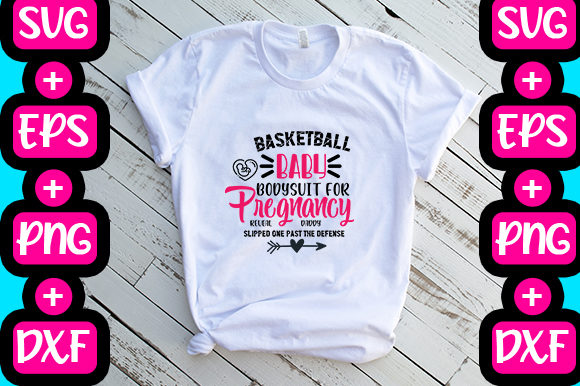
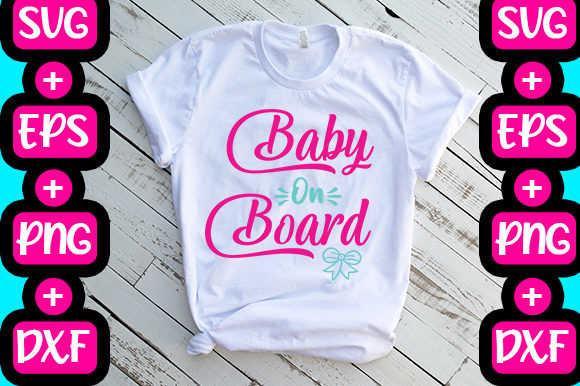
When I opened Pregnancy – Baby on Board for the first time, I didn’t see “cute” — I saw *intention*. The layout is clean and centered, with gentle curves and balanced negative space. It’s not overly ornate, but it’s not minimal to the point of blandness either. The phrase “Baby on Board” sits comfortably beneath a soft, stylized stork or baby carriage motif (depending on version), and the font has just enough warmth to feel handmade without sacrificing legibility. This isn’t a design shouting for attention — it’s one that invites a smile, a nod, a quiet “yes, that’s exactly how I’d want to announce it.” That tone matters deeply when you’re stitching something meant to be worn, gifted, or displayed in a nursery.
Real Project Test: Embroidering a Linen Tote for a Local Boutique
Last week, I used Pregnancy – Baby on Board to embroider a set of heavyweight linen tote bags for a small maternity boutique in Portland. We chose a 4-inch hoop and medium-weight cutaway stabilizer — essential for linen’s slight looseness. The design stitched out smoothly: no thread breaks, no puckering, and the satin stitch on the lettering held crisp edges even at that scale. Customers loved how it looked — not too busy, not too shy. One mom-to-be told me she’d carry it to her baby shower *and* use it for diaper runs afterward. That duality — celebratory yet practical — is where Pregnancy – Baby on Board shines.
Where It Works Best (and Why)
- Custom apparel: Sweatshirts, crewneck tees, and lightweight jackets handle this design beautifully — especially on left-chest placement. The moderate size and open spacing prevent overcrowding.
- Baby items: Burp cloths, onesie pockets, and blanket corners benefit from its gentle scale and joyful clarity. No tiny details that vanish after three washes.
- Patches & aprons: As an embroidered patch or kitchen apron front, it reads instantly — no squinting required. The balanced weight gives it presence without stiffness.
- Holiday & gift embroidery: Think baby’s first Christmas ornament, a holiday tea towel, or a personalized pillow cover. It carries warmth without leaning into kitsch.
- Digital product prep: For Etsy sellers and crafters offering printable mockups or digital embroidery files, this design translates cleanly across SVG, EPS, and PNG formats — making it easy to preview on light and dark fabric backgrounds.
Use With Care: Practical Limits You’ll Notice on Your Hoop
This isn’t a one-size-fits-all embroidery file — and that’s okay. Pregnancy – Baby on Board needs thoughtful pairing:
- Avoid tight hoops under 3 inches. The curves and letter spacing need breathing room — cramped stitching loses definition fast.
- Think twice before using it on thin or stretchy knits (like jersey or ribbed baby onesies) without extra stabilization. The fill stitch areas can shift if the base fabric moves.
- Dark fabrics demand contrast testing. I ran a quick black-and-white mockup first — and swapped navy thread for charcoal gray on a deep burgundy sweatshirt. Small change, big difference in readability.
- Caps and curved surfaces? Proceed slowly. The shape works on structured caps, but avoid the very top curve or bill edge — detail gets distorted there.
- Wash-heavy items (like baby bibs or kitchen towels) benefit from slightly denser satin stitch settings — confirm your machine’s fill density holds up over repeated laundering.
What It Adds to Your Finished Product — Beyond the Stitch
As a designer who ships 50+ custom embroidery orders a month, I pay close attention to how a design affects perceived value and trust. Pregnancy – Baby on Board elevates a simple tote or tee into something emotionally resonant — not just “a shirt,” but “the shirt she wore to her first ultrasound.” That emotional resonance builds customer loyalty. It also supports brand consistency for small shops: whether you’re selling on Etsy, at a craft fair, or through your own website, this design feels cohesive across products — from a vinyl-decal onesie to an embroidered patch sewn onto a denim jacket. And yes — it photographs well. Clean lines mean strong thumbnails, which directly impact click-through rates and buyer engagement.
Designer Notes You’ll Want Before You Hoop Up
- Always test Pregnancy – Baby on Board on scrap fabric matching your final project’s weight and weave.
- Check thread color contrast early — especially if stitching on heathered, textured, or dark fabric.
- Review stitch density in your embroidery software. If it looks sparse in the preview, add a light underlay — especially for satin-stitched letters.
- Confirm hoop size compatibility. This design scales well, but shrinking below ~3.5 inches risks losing legibility in the smaller elements.
- Inspect corners and curves closely in your software — look for potential jump stitches or nesting issues before sending to the machine.
- Run black-and-white and grayscale mockups to assess visibility across fabric tones.
- Match stabilizer to fabric: cutaway for knits, tear-away for stable wovens like cotton canvas or linen.
- If selling finished products commercially, verify licensing terms — this is a Graphics and T-Shirt Designs asset, but commercial embroidery rights aren’t automatically included unless stated.
The Bottom Line for Makers Who Stitch With Purpose
Pregnancy – Baby on Board isn’t flashy — and it doesn’t need to be. It’s reliable, readable, and quietly joyful. It performs consistently across real-world embroidery projects: from boutique merchandise to heartfelt personalized gifts. It respects the craft — no hidden traps in the digitizing, no surprise density spikes, no fragile details doomed to fray. For Etsy sellers building a catalog of baby embroidery, for craft businesses curating seasonal collections, or for designers who believe every stitch should serve both function and feeling — this is a grounded, trustworthy addition to your design assets. Just remember: let it breathe, stabilize wisely, and always test first. Then stitch with confidence.